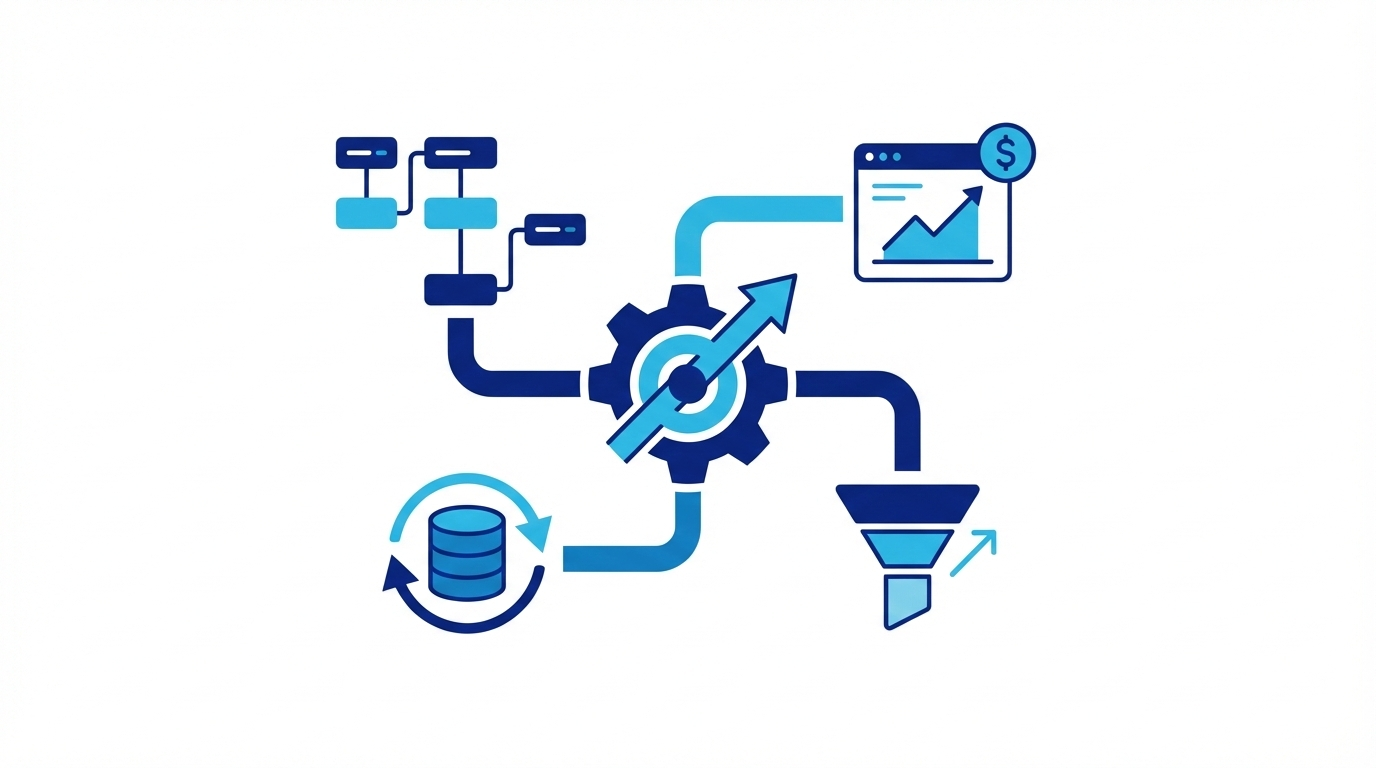
SaaS revenue is fundamentally different from transactional revenue — It expands over time, renews, churns, compounds.
Yet many companies using HubSpot CRM for SaaS still structure their system like a traditional sales pipeline — optimized primarily for closing new deals.
That works at early stages.
But as SaaS companies scale, raise funding, introduce enterprise sales, or formalize RevOps, their CRM must reflect subscription economics.
If it doesn’t:
- ARR reporting becomes inconsistent
- Forecast accuracy declines
- Expansion revenue becomes unclear
- Renewal management turns reactive
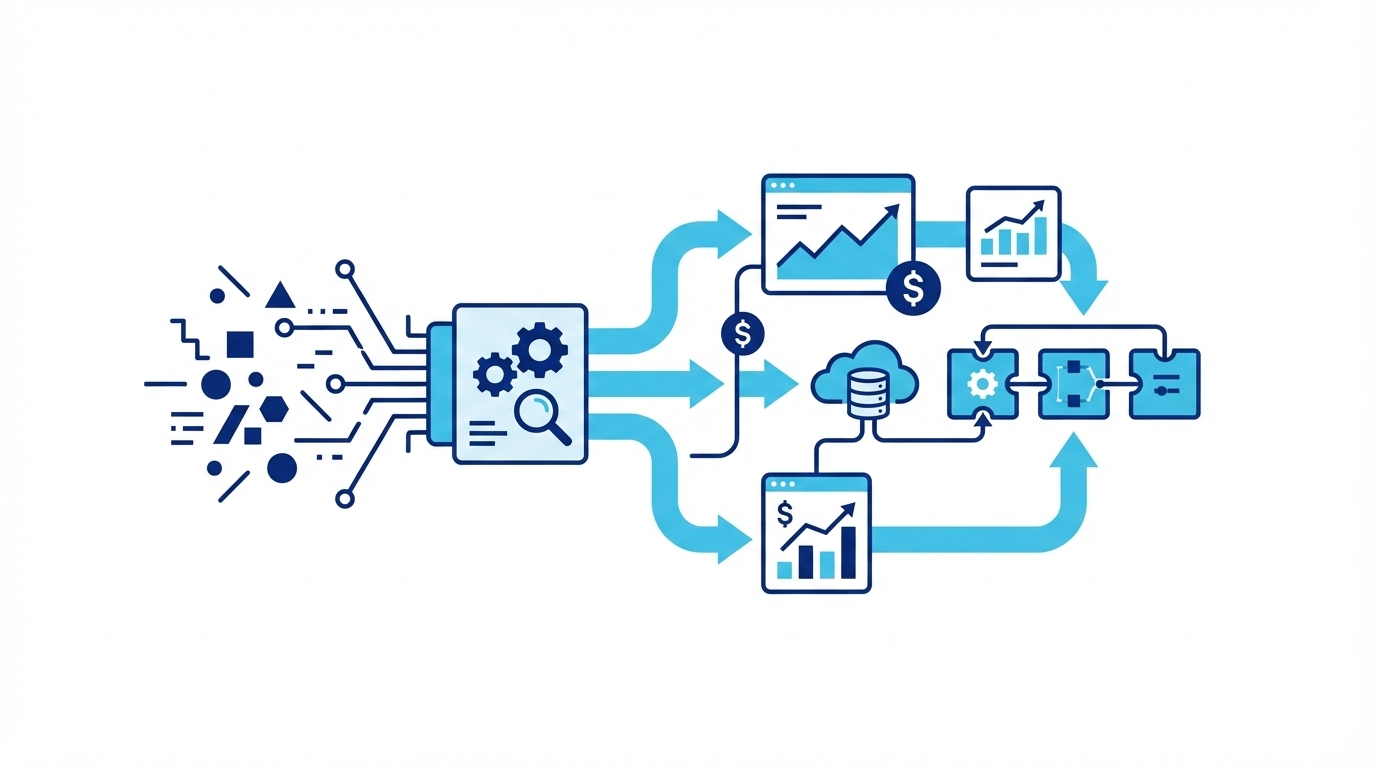
This guide explains how to structure HubSpot CRM for SaaS companies to support ARR growth, expansion revenue, and predictable renewals.
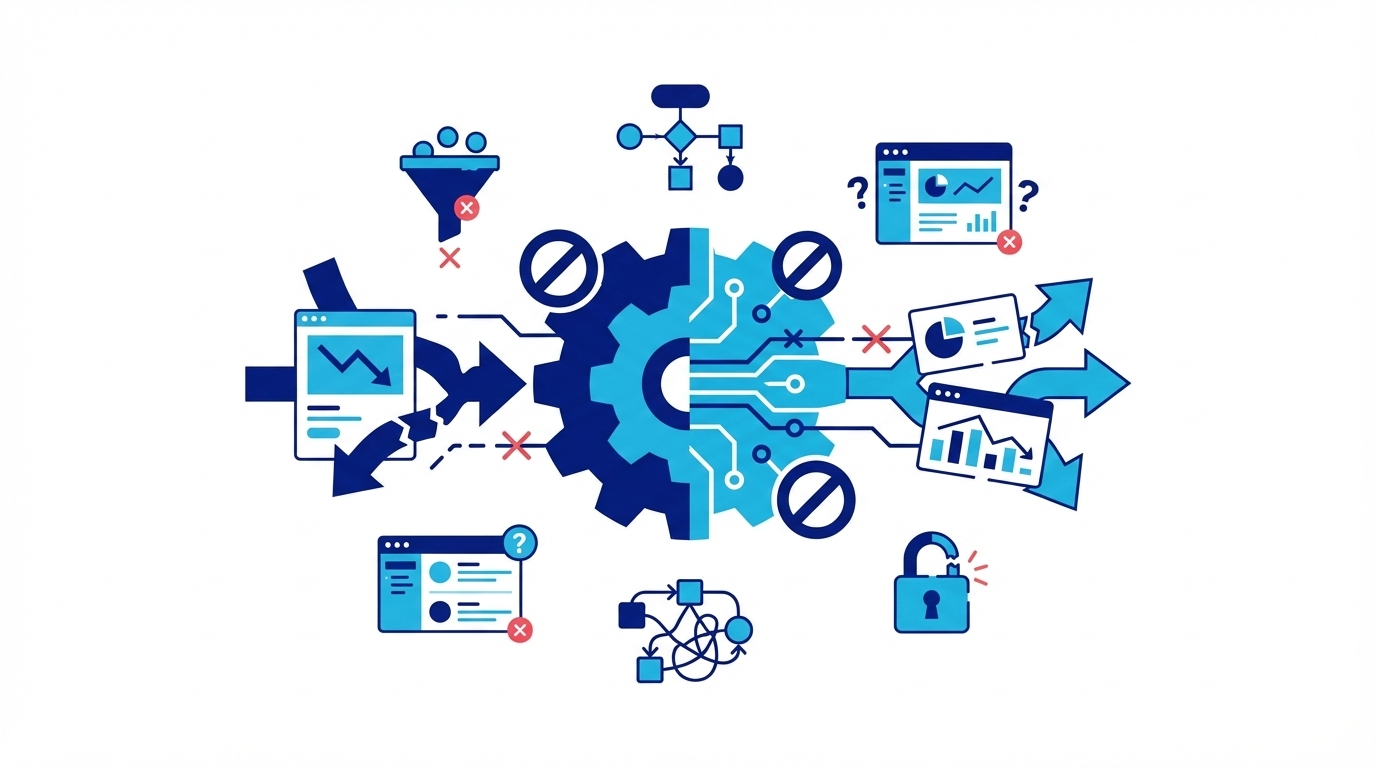
Why Traditional CRM Structures Fail in SaaS
Most default CRM implementations are built around: Lead → Opportunity → Closed Won. One deal = one revenue event. Weighted pipeline forecasting
But SaaS revenue models require tracking:
- Annual Recurring Revenue (ARR)
- Monthly Recurring Revenue (MRR)
- Contract duration
- Expansion revenue
- Renewal probability
- Churn indicators
- Multi-year commitments
Without structural optimization, HubSpot becomes a deal tracker — not a SaaS revenue operations system. This is where SaaS CRM optimization becomes critical.
1. Separate Revenue Motions Into Dedicated Pipelines
A core principle of structuring HubSpot for SaaS is separating revenue motions. Instead of one universal pipeline, create:
New Business Pipeline
Tracks:
- Net-new customers
- Initial ARR
- Customer acquisition velocity
Expansion Pipeline
Tracks:
- Upsells
- Cross-sells
- Seat increases
- Plan upgrades
Renewal Pipeline
Tracks:
- Contract renewals
- Multi-year extensions
- Retention probability
Why this matters for SaaS revenue operations:
- Forecast segmentation improves
- Expansion contribution becomes measurable
- Customer Success alignment strengthens
- Executive reporting becomes board-ready
Enterprise SaaS leaders monitor expansion share closely. Your CRM structure must support that visibility natively.
2. Standardize Subscription Revenue Tracking in HubSpot
Revenue properties must be structured and governed. At minimum, your HubSpot CRM setup for SaaS should include:
- ARR (Annual Recurring Revenue)
- MRR (Monthly Recurring Revenue)
- ACV (Annual Contract Value)
- Contract start date
- Contract end date
- Billing frequency
- Subscription term
- Revenue type (New / Expansion / Renewal)
HubSpot supports recurring revenue properties and custom calculations — but only when configured intentionally.
Key governance principles:
- Clear ARR calculation logic
- No duplicate revenue fields
- Consistent property usage across pipelines
- Alignment with executive dashboards
For SaaS companies preparing for funding or enterprise scaling, structured subscription revenue tracking inside HubSpot becomes a strategic necessity.
3. Optimize Lifecycle Stages for SaaS Buying Behavior
In many implementations of HubSpot for SaaS companies, lifecycle stages remain untouched from default settings.
But SaaS growth models often include:
- Product-qualified leads (PQLs)
- Trial users
- Freemium conversions
- Enterprise evaluation cycles
A SaaS-optimized lifecycle framework may include:
- Trial Active
- PQL Identified
- Sales Accepted Lead
- Opportunity
- Customer
- Expansion Opportunity
- Renewal Pending
When lifecycle stages reflect real SaaS behavior, RevOps alignment improves and reporting becomes consistent across marketing, sales, and customer success.
4. Align Deal Stages With Enterprise SaaS Sales Reality
Enterprise SaaS deals involve:
- Technical validation
- Security review
- Procurement
- Legal
- Multi-threaded buying groups
If your pipeline oversimplifies this complexity, forecasting suffers. Instead of generic stages like:
-
Proposal Sent
-
Negotiation
Use commercially meaningful stages such as:
HubSpot forecasting depends on stage probability logic. When stages reflect actual maturity, forecast reliability improves significantly.
This is a core part of HubSpot CRM optimization for enterprise SaaS.
5. Structure Account-Level Revenue Visibility
SaaS growth does not happen deal by deal — it happens account by account.
Expansion and renewal deals should:
- Be associated with the same Company record
- Use structured revenue-type properties
- Contribute to cumulative ARR reporting
This enables:
- Total account value visibility
- Expansion contribution analysis
- Account health monitoring
- Strategic account planning
For enterprise SaaS companies, account-level revenue clarity is essential for board reporting and valuation modeling.
6. Automate Renewal and Retention Workflows
Retention drives SaaS valuation.
Your HubSpot RevOps setup for SaaS should:
- Trigger renewal workflows 90–120 days before contract end
- Notify account owners of upcoming expirations
- Surface churn-risk indicators
- Separate renewal forecast from new revenue forecast
Without renewal automation, churn risk increases and forecasting becomes reactive.
Structured automation reduces operational friction and protects recurring revenue.
7. Build Executive Dashboards Around SaaS Metrics
Dashboards should answer strategic SaaS questions:
- What percentage of ARR comes from expansion?
- What is forecasted new ARR this quarter?
- What is renewal pipeline health?
- What is net revenue retention trend?
- How accurate is forecast vs actual ARR?
HubSpot reporting can support SaaS revenue visibility — but only when pipelines, properties, and associations are architected correctly.
If leadership relies on spreadsheets for these answers, CRM structure likely needs refinement.
Common HubSpot CRM Mistakes in SaaS Companies
During SaaS CRM audits, we often see:
- One pipeline for all revenue motions
- ARR calculated inconsistently
- Renewal dates stored in notes
- Expansion revenue mixed with new business
- No visibility into multi-year commitments
- Overlapping workflows causing data conflicts
These structural weaknesses limit scalability and introduce forecasting risk.
When to Invest in SaaS CRM Optimization
Consider reviewing your HubSpot CRM for SaaS if:
- Expansion revenue is becoming material
- Forecast accuracy is declining
- Reporting requires manual corrections
- Customer Success operates outside CRM logic
- You’re preparing for funding or enterprise scaling
- RevOps complexity is increasing
At scale, CRM structure directly impacts revenue predictability.
Ready to Optimize Your HubSpot CRM for SaaS Revenue?
If you're a SaaS or enterprise software company using HubSpot and want to ensure your CRM supports ARR growth, expansion visibility, and renewal predictability — let’s talk.
A structured SaaS-focused CRM review can quickly determine whether your current HubSpot setup reflects your subscription revenue model.